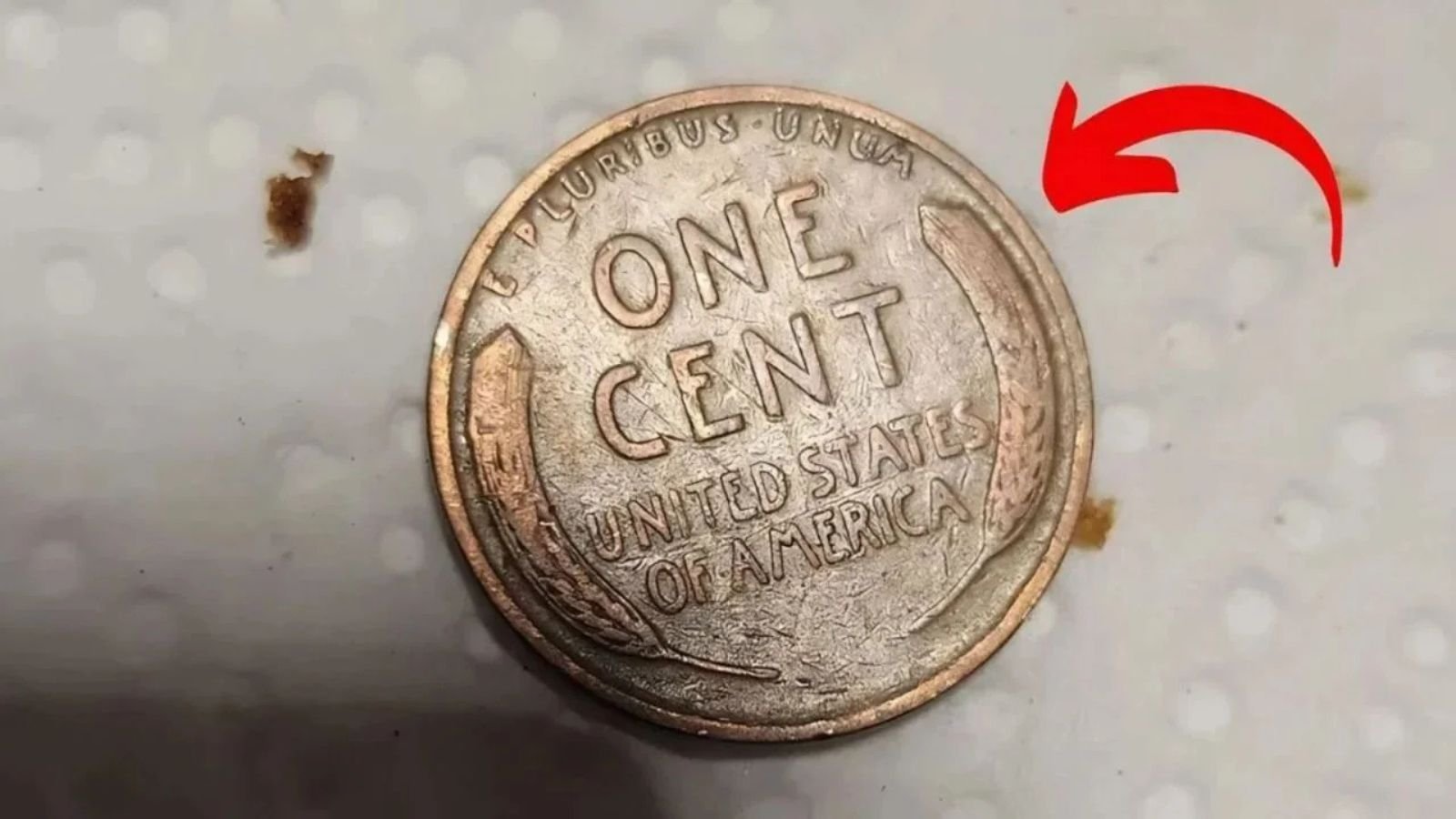

In the fascinating world of numismatics, few coins hold the aura of mystery and history like the Lincoln Wheat Penny. First struck in 1909 to honor Abraham Lincoln’s 100th birthday, it became the first U.S. coin to feature a real historical figure. With a wheat stalk reverse design and widespread circulation through 1958, this penny gained both sentimental and collector interest. While most are worth just a cent—or maybe a few dollars—some rare and carefully preserved ones now fetch astonishing prices, with a legendary specimen rumored to be valued at $1.5 million.
The Lincoln Wheat Penny Valued at $5.1 Million, Still in Circulation?
Lincoln Wheat Penny: A Legacy of American History
Fondly called the “Wheatie,” the Lincoln Wheat Penny carries far more than face value. Its design, by Victor D. Brenner, made history by showing Abraham Lincoln on the obverse and two wheat stalks surrounding “ONE CENT” on the reverse. As the Great Depression and both World Wars unfolded, this penny remained a constant in American pockets, embodying resilience through tough times.
Composition and Rare Variations
From 1909 through most of 1982, pennies were made of copper. But in 1943, to conserve metal for war efforts, the U.S. Mint switched over to zinc-coated steel pennies, recognizable by their silver-gray color. Yet a few bronze planchets from 1942 mistakenly struck with 1943 dies created ultra-rare copper pennies that today are among the most sought-after errors in U.S. coin history.
The $1.5 Million Lincoln Wheat Penny: What Made It Priceless?
A single 1943 bronze Lincoln Wheat Penny has been estimated at around $1.5 million. Its value rests on several powerful factors:
-
Incorrect Composition: Made mistakenly with bronze instead of steel, it stands out among the expected 1943 issues.
-
Scarcity: Fewer than 20 genuine 1943 bronze pennies are known to exist.

-
Condition and Authentication: Graded by trusted services like PCGS or NGC, and in mint or near-mint condition, these pennies command top bids.
Could a Million-Dollar Penny Still Be Hidden in Circulation?
Absolutely—it’s possible. Stories of rare pennies found in jars, old cash drawers, or passed down over generations keep collectors hopeful. While many valuable pennies are locked away, a few still slip through standard circulation, turning mundane finds into extraordinary discoveries.
How to Identify a 1943 Bronze Penny
If you suspect you’ve come across something special, here’s how to check:
-
Check the date: Focus on 1943 coins—these should normally be steel and gray.
-
Use a magnet: Steel pennies stick; bronze ones do not.
-
Observe color: Bronze coins have reddish-brown tones; steel ones shine gray.
-
Weigh it: Bronze coins weigh ~3.11 g, while steel ones are ~2.7 g.
-
Get professional authentication if it passes these checks.

Beware of Counterfeits
The high value of rare pennies has led to fakes. Some counterfeiters alter dates—like modifying a 1948 penny into 1943—or artificially tone steel coins. Always work with reputable coin dealers and insist on professional grading before buying or selling.
Other Valuable Lincoln Wheat Penny VARIETIES
Though the 1943 copper penny is legendary, several other varieties are highly prized:
-
1909‑S VDB: The first issue with designer Brenner’s initials on the reverse.
-
1914‑D: Rare coin from Denver Mint.
-
1922 No D: Struck without the Denver mintmark.
-
1955 Doubled Die: Visible doubling in date or lettering.
Each of these can command thousands—even tens of thousands—depending on condition.
Getting Started in Lincoln Penny Collecting
Curious to begin your hunt? Here’s how:
-
Search coin rolls from banks or collect loose pennies.
-
Use a coin folder or album devoted to Wheaties.
-
Learn about mintmarks, error types, and grading scales.
-
Join collector communities or local clubs for support and knowledge.
Final Thoughts: A Million-Dollar Mystery in Your Pocket
The Lincoln Wheat Penny is far more than a red coin—it’s a slice of American history, a portal into bygone eras, and occasionally, a ticket to incredible value. Whether you’re a seasoned collector or just casually sorting loose change, the possibility that a rare 1943 bronze penny—or a key date from earlier years—might still exist in circulation adds magic to the routine.
So next time you find an old penny, handle it carefully and give it a closer look. That humble Lincoln Wheat Penny might just be worth more than you ever imagined.
FAQs About the Lincoln Wheat Penny
1. What is a Lincoln Wheat Penny?
A copper one-cent coin minted from 1909 to 1958 featuring Abraham Lincoln and wheat stalks, symbolizing prosperity.
2. Why is the 1943 bronze Lincoln Wheat Penny so valuable?
It’s an ultra-rare mint error—bronze was mistakenly used instead of the standard zinc-coated steel planchet, with fewer than 20 known examples.

3. How can I identify a potentially valuable Lincoln Wheat Penny?
Look at the date (especially 1943), test it with a magnet, check the color, weigh it, and seek professional grading if it looks unusual.
4. Where should I sell a rare penny?
Reputable coin dealers, specialized auction houses, or collector shows are preferred—especially if your coin is certified by PCGS or NGC.
5. Are all Wheat Pennies valuable?
No—most are worth only a cent or a few dollars. But key date coins and known error variants can be worth hundreds to millions based on rarity and condition.
Keep exploring, stay curious, and don’t underestimate the value hidden in an everyday penny. It might just change your world.
Some Important Link
| Download News APP | Click Here |
| WhatsApp Group | Click Here |
| Home Page | Click Here |